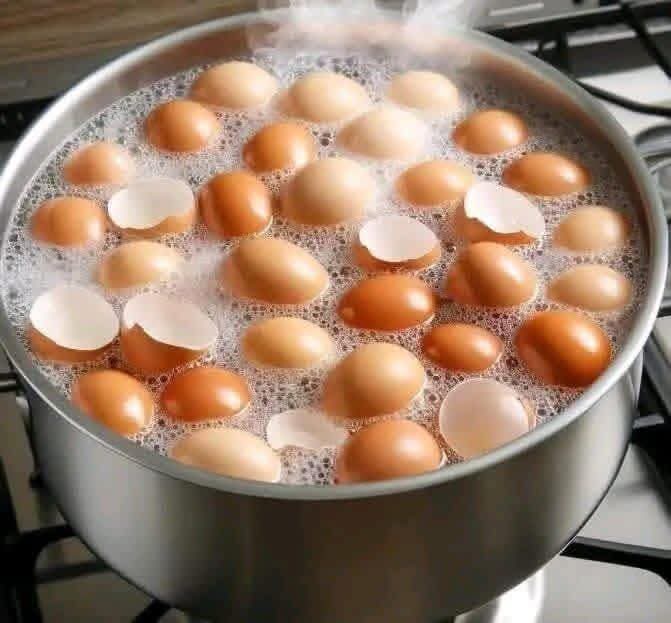
Boiling Eggshells for Various Uses: A Complete Guide
Introduction
Eggshells are often thrown away as kitchen waste, but they are actually a valuable natural resource. Made primarily of calcium carbonate, eggshells can be boiled and reused for gardening, composting, animal feed supplements, crafts, cleaning products, and even homemade calcium powder. Boiling eggshells helps sanitize them by removing bacteria and preparing them for different applications.
This comprehensive guide explains the history, benefits, ingredients, methods, preparation process, and various uses of boiled eggshells.
History of Using EggshellsFor centuries, people around the world have reused eggshells instead of discarding them. Ancient farmers mixed crushed eggshells into soil to improve crop growth. Traditional households used eggshells as natural cleaning abrasives and as a calcium supplement for poultry and livestock.With modern interest in sustainability and waste reduction, eggshell recycling has become increasingly popular among gardeners, homesteaders, and environmentally conscious individuals.IngredientsBasic Ingredients12–24 clean eggshells1–2 liters waterOptional Ingredients (Depending on Use)White vinegarLemon juiceCompost materialsPotting soilAnimal feedGarden fertilizer mixtureEquipment NeededLarge potStrainer
Baking tray
Oven or dehydrator (optional)
Blender, food processor, or mortar and pestle
Storage container
Benefits of Boiling Eggshells
1. Sanitization
Boiling kills many bacteria and contaminants present on eggshell surfaces.
2. Calcium Source
Eggshells contain approximately 95% calcium carbonate, making them an excellent natural calcium source.
3. Garden Improvement
Crushed eggshells add minerals to soil and can improve plant health.
4. Compost Enhancement
They enrich compost piles with valuable nutrients.
5. Eco-Friendly Recycling
Using eggshells reduces household waste and supports sustainable living.
6. Natural Pest Deterrent
Sharp crushed shells may discourage certain garden pests.
7. Cost Savings
Eggshells provide free nutrients and materials that might otherwise be purchased.
Formation of Eggshells
Eggshells are formed inside a hen’s reproductive system. During egg production:
Calcium is absorbed from the hen’s diet.
Calcium carbonate crystals develop around the egg membrane.
A hard protective shell forms over approximately 20 hours.
The shell protects the developing egg while allowing gas exchange through tiny pores.
An average eggshell consists of:
95% Calcium Carbonate
1% Magnesium Carbonate
1% Calcium Phosphate
Trace minerals and proteins
Basic Boiled Eggshell Recipe
Step 1: Collect Eggshells
Save shells from cooked or raw eggs.
Rinse thoroughly to remove:
Egg white residue
Egg yolk residue
Dirt or contaminants
Step 2: Boil the Eggshells
Fill a large pot with water.
Add cleaned eggshells.
Bring to a rolling boil.
Boil for 10–15 minutes.
Remove from heat.
Step 3: Drain
Pour shells into a strainer.
Allow excess water to drain completely.
Step 4: Dry
Choose one method:
Air Drying
Spread shells on a towel and dry for 24 hours.
Oven Drying
Bake at 200°F (95°C) for 10–15 minutes.
Dehydrator
Dry according to manufacturer instructions.
Method 1: Eggshell Calcium Powder
Ingredients
Boiled and dried eggshells
Instructions
Grind shells into a fine powder.
Sift if necessary.
Store in an airtight container.
Uses
Garden soil amendment
Compost enrichment
Educational projects
Method 2: Garden Fertilizer
Ingredients
Boiled eggshells
Garden soil
Instructions
Crush shells finely.
Mix into soil around plants.
Water thoroughly.
Best Plants
Tomatoes
Peppers
Roses
Eggplants
Method 3: Compost Booster
Ingredients
Boiled eggshells
Compost materials
Instructions
Crush shells.
Mix throughout compost pile.
Turn compost regularly.
Benefits
Adds calcium
Balances compost nutrients
Speeds decomposition
Method 4: Natural Cleaner
Ingredients
Crushed boiled eggshells
Mild soap
Instructions
Mix shells with soap.
Scrub pots and pans.
Rinse thoroughly.
Benefits
Gentle abrasive action
Eco-friendly cleaning
Method 5: Seed Starter Pots
Ingredients
Half eggshells
Potting soil
Seeds
Instructions
Fill shell halves with soil.
Plant seeds.
Water lightly.
Transplant directly into garden when seedlings grow.
Additional Uses
Decorative crafts
Mosaic artwork
Bird feed supplements
Poultry calcium supplements
Educational science projects
Natural mineral source for compost tea
Methods Summary
Method
Purpose
Boiling
Sanitizes shells
Drying
Prevents mold
Grinding
Produces powder
Crushing
Garden use
Composting
Nutrient recycling
Crafting
Decorative projects
Soil Mixing
Calcium enrichment
Who Loves Using Eggshells?
Many people appreciate boiled eggshells for practical and environmental reasons:
Gardeners
Use them to improve soil quality and provide calcium.
Organic Farmers
Incorporate shells into sustainable farming systems.
Compost Enthusiasts
Add them to compost for mineral enrichment.
Environmentalists
Reduce waste through recycling and reuse.
Craft Lovers
Transform shells into art, decorations, and educational projects.
Homesteaders
Use eggshells in self-sufficient household practices.
Conclusion
Boiling eggshells is a simple, economical, and environmentally friendly way to transform kitchen waste into a useful resource. Whether used as a garden fertilizer, compost additive, cleaning aid, craft material, or calcium-rich powder, boiled eggshells offer numerous benefits. By cleaning, boiling, drying, and processing eggshells properly, you can make the most of a material that is often discarded and contribute to a more sustainable lifestyle.