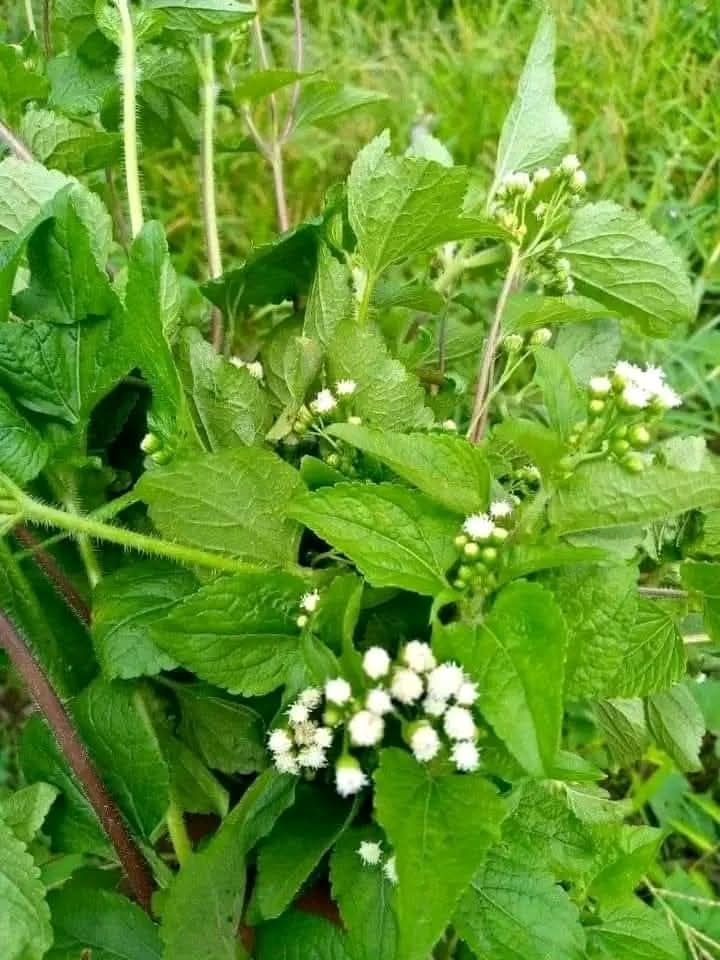
In traditional African herbal medicine, many people use plant-based remedies as part of their health practices.
Some traditional uses attributed to this herb include:
In cases of suspected poisoning, it is traditionally washed and eaten raw.
Traditionally used to help relieve recurring stomach aches.
Traditionally consumed as an herbal infusion, often one glass in the morning.
Traditionally believed to support healthy nail growth.
Traditionally used in remedies for intestinal worms.
Sometimes used in herbal baths or as incense in traditional spiritual practices.
Traditionally used for vaginal discomfort and itching.
Traditionally used for menstrual cramps and recurring abdominal pain.
Traditionally believed to help regulate blood pressure.
Traditionally used as a cleansing (purging) herb in some cultures.
Traditional preparation for an herbal infusion:
Prepare an infusion by steeping the herb in hot water.
Drink one cup on an empty stomach in the morning, according to traditional practice.
Precaution: Some traditional sources recommend avoiding alcohol and certain medications within 24 hours of using this herb. However, there is no strong scientific evidence supporting many of the claimed benefits or this precaution. If you are pregnant, breastfeeding, have a medical condition, or take prescription medications, consult a healthcare professional before using any herbal remedy.
This version removes unverified claims such as curing infertility, chlamydia, fibroids, blocked fallopian tubes, spiritual powers, attracting customers, and protection from the evil eye, since these are not supported by reliable scientific evidence.